.jpeg)
Revolutionizing Swiss Farming with AI Farming Technology
- Steve

- Feb 16
- 3 min read
Swiss farming is at a crossroads. Traditional methods have served generations well, but the challenges of today demand fresh solutions. Climate change, labour shortages, and the need for sustainable practices push farmers to rethink their approach. Enter AI farming technology - a game-changer that’s not just futuristic hype but a practical tool reshaping agriculture in Switzerland and beyond.
How AI Farming Technology is Changing the Game
Imagine a farm where decisions are guided by data, where machines learn and adapt, and where every seed planted is optimised for success. That’s the promise of AI farming technology. It’s not about replacing farmers but empowering them with insights and automation that save time, reduce waste, and boost yields.
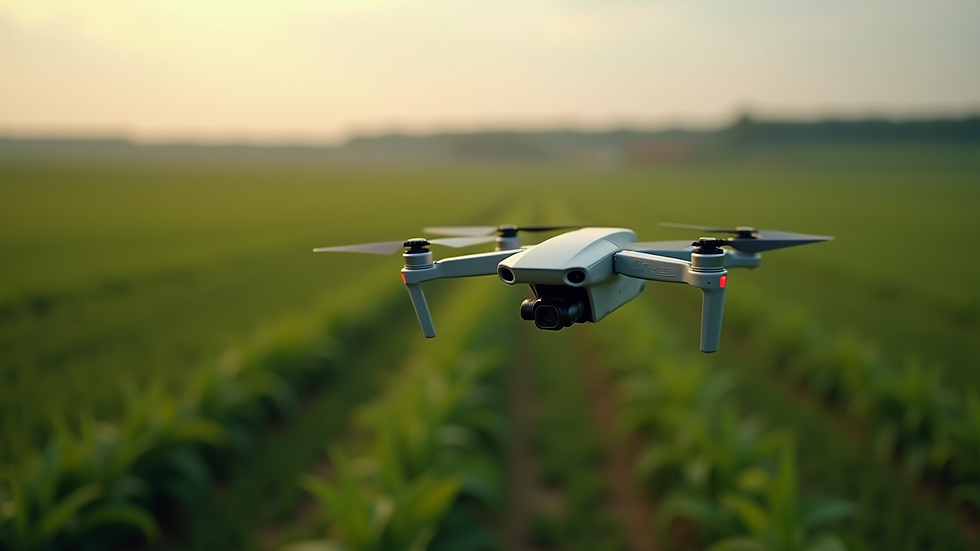
Take precision agriculture, for example. Drones equipped with sensors fly over fields, capturing detailed images that reveal soil health, moisture levels, and pest infestations. This data feeds into AI algorithms that recommend exactly where to water, fertilise, or spray pesticides. The result? Healthier crops, less chemical use, and a smaller environmental footprint.
Swiss farms, often small and nestled in challenging terrains, benefit immensely from such targeted interventions. Instead of blanket treatments, farmers can focus resources where they’re needed most. This precision means better crop quality and higher profits.

Practical Examples of AI in Swiss Agriculture
Let’s get concrete. Swiss dairy farms are adopting AI-powered milking robots that monitor cow health and milk quality in real time. These robots detect early signs of illness, ensuring timely care and reducing veterinary costs. Plus, they free farmers from repetitive tasks, letting them focus on strategic farm management.
In vineyards, AI helps predict grape ripeness by analysing weather patterns and soil data. This means vintners can harvest at the perfect moment, enhancing wine quality. AI also forecasts disease outbreaks, allowing preventive measures that save entire harvests.
Even small-scale vegetable growers use AI apps to track growth and suggest optimal planting schedules. These tools are accessible on smartphones, making advanced farming knowledge available to all.
The Role of AI in Sustainable Farming Practices
Sustainability isn’t just a buzzword; it’s a necessity. Swiss farmers are stewards of some of the most beautiful landscapes in the world. AI farming technology supports this responsibility by promoting eco-friendly practices.
For instance, AI systems can optimise irrigation schedules to conserve water, a precious resource in many regions. They also help reduce fertiliser runoff by applying nutrients precisely where needed, protecting nearby rivers and lakes.
Moreover, AI-driven crop rotation planning improves soil health over time, reducing the need for chemical inputs. This holistic approach aligns with Switzerland’s commitment to environmental protection and organic farming standards.
Overcoming Challenges and Embracing Innovation
Adopting AI farming technology isn’t without hurdles. Many farmers worry about costs, complexity, and data privacy. But the benefits often outweigh these concerns. Governments and cooperatives in Switzerland are stepping in with subsidies and training programs to ease the transition.
Farmers who embrace AI find themselves part of a vibrant community of innovators. Sharing data and experiences leads to continuous improvement and new breakthroughs. It’s a collaborative revolution, not a solo journey.
For those hesitant about technology, starting small is key. Simple AI tools for weather forecasting or pest detection can build confidence before moving to more advanced systems. The goal is to integrate AI seamlessly into daily routines, not disrupt them.
Looking Ahead: The Future of Swiss Farming with AI
What does the future hold? Picture farms where AI-powered robots tend fields autonomously, drones monitor livestock health, and smart sensors communicate with each other to optimise every aspect of production. This isn’t science fiction; it’s already happening in pilot projects across Switzerland.
The integration of AI with other technologies like blockchain could enhance supply chain transparency, ensuring consumers know exactly where their food comes from and how it was produced. This builds trust and opens new markets for Swiss farmers.
As AI farming technology evolves, it will continue to support rural communities by creating jobs in tech and agriculture, fostering resilience against climate change, and preserving the unique Swiss rural heritage.
If you want to explore how AI can transform your farm or community, check out this resource on ai in farming solutions for practical advice and success stories.

Embracing the AI Farming Revolution Today
The revolution is here, and it’s powered by AI farming technology. Swiss farmers have a unique opportunity to blend tradition with innovation, ensuring their livelihoods and landscapes thrive for generations. By adopting AI tools thoughtfully and collaboratively, they can meet today’s challenges head-on.
So, why wait? The future of farming is smart, sustainable, and deeply connected to the land. Let’s embrace AI not as a threat but as a trusted partner in cultivating a resilient rural Switzerland.


Comments