.jpeg)
Harnessing the Benefits of Digital Farming with Smart Farming Technologies

Farming has always been a dance with nature, a delicate balance of timing, weather, and hard work. But what if we could add a new partner to this dance? One that brings precision, efficiency, and sustainability to the field? That’s where smart farming technologies come in. These innovations are transforming traditional agriculture into a high-tech, data-driven practice that benefits farmers, rural communities, and the environment alike.
Imagine a world where crops tell you exactly when they need water, where drones scan fields for pests before they become a problem, and where machines work tirelessly with pinpoint accuracy. This isn’t science fiction. It’s happening now, and it’s reshaping the rural landscape across the UK.
The Rise of Smart Farming Technologies in Rural Communities
Smart farming technologies are no longer a luxury reserved for large agribusinesses. They are becoming accessible tools for farmers of all sizes, especially in rural areas where innovation can make a real difference. These technologies include sensors, GPS-guided machinery, drones, and AI-powered analytics that help farmers make better decisions.
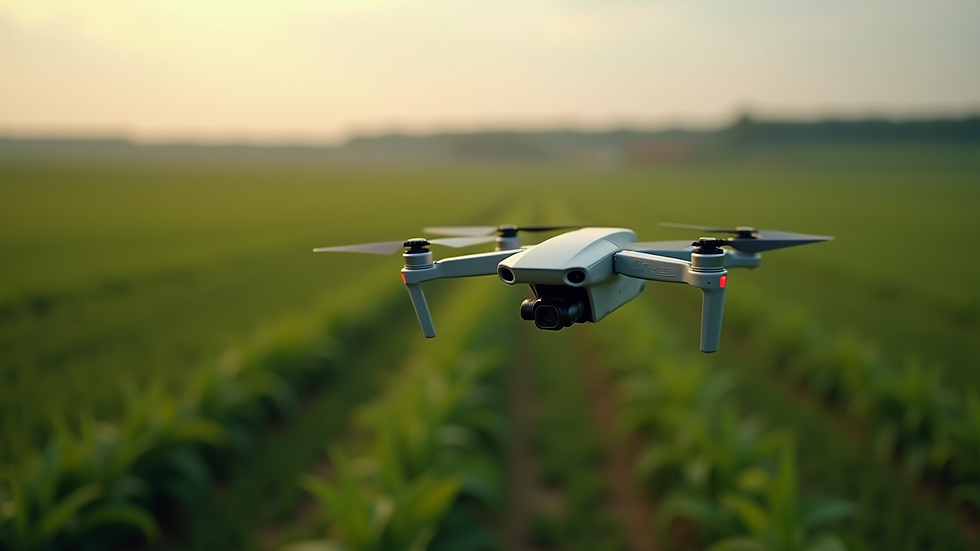
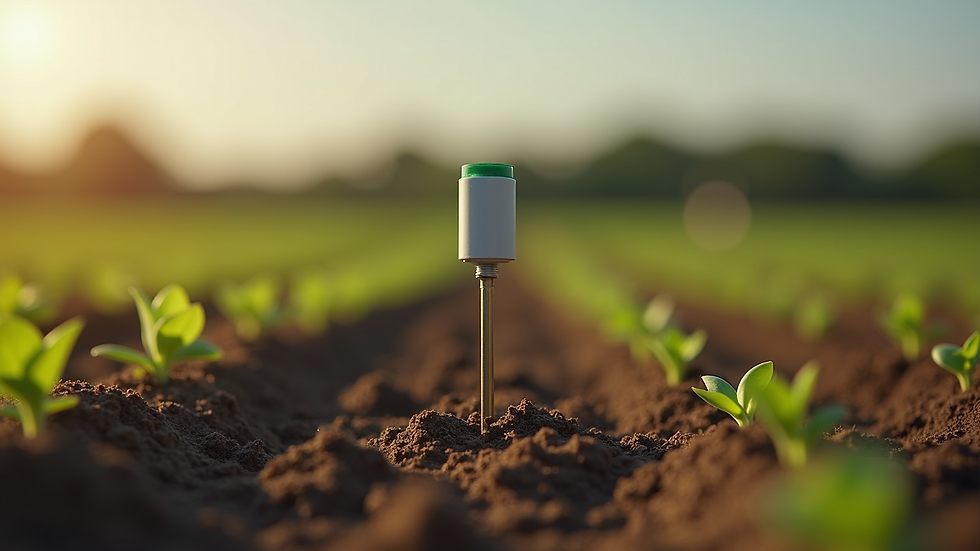
For example, soil sensors can monitor moisture levels in real-time, allowing farmers to water crops only when necessary. This saves water, reduces costs, and promotes healthier plants. GPS-guided tractors can plant seeds with incredible precision, reducing waste and increasing yields. Drones provide aerial views of fields, spotting issues like pest infestations or nutrient deficiencies early on.
These tools don’t just improve productivity; they also help protect the environment. By using resources more efficiently, farmers reduce their carbon footprint and contribute to sustainable agriculture. It’s a win-win situation that benefits everyone.
How Smart Farming Technologies Improve Crop Management
Managing crops effectively is one of the biggest challenges farmers face. Weather can be unpredictable, pests can strike suddenly, and soil conditions can vary widely even within a single field. Smart farming technologies provide the data and insights needed to tackle these challenges head-on.
Take precision irrigation systems, for example. These systems use data from soil sensors and weather forecasts to deliver the right amount of water at the right time. This prevents overwatering, which can lead to root diseases, and underwatering, which stresses plants. The result? Healthier crops and better yields.
Another example is the use of AI-powered platforms that analyse satellite images and sensor data to predict pest outbreaks. Farmers receive alerts and recommendations on how to act before pests cause significant damage. This proactive approach reduces the need for chemical pesticides, promoting a healthier ecosystem.
Farmers can also use smart technologies to monitor crop growth stages and nutrient levels. This information helps them apply fertilisers more efficiently, reducing waste and environmental impact. It’s like having a digital agronomist guiding every step of the way.
Exploring the Role of Digital Farming Solutions in Sustainable Agriculture
Sustainability is more than a buzzword; it’s a necessity for the future of farming. Digital farming solutions play a crucial role in making agriculture more sustainable by optimising resource use and minimising environmental harm.
One practical example is the integration of renewable energy with smart farming. Solar-powered sensors and automated irrigation systems reduce reliance on fossil fuels. Meanwhile, data-driven crop rotation plans help maintain soil health and prevent erosion.
Moreover, digital platforms enable farmers to track their carbon emissions and water usage, setting measurable goals for improvement. This transparency encourages responsible farming practices and opens doors to eco-friendly certifications and markets.
By embracing these technologies, rural communities can protect their natural resources while maintaining productivity. It’s a powerful way to ensure that farming remains viable for generations to come.
Practical Steps to Adopt Smart Farming Technologies
Getting started with smart farming technologies might seem daunting, but it doesn’t have to be. Here are some practical steps to help farmers and rural innovators embrace these tools:
Assess Your Needs: Identify the biggest challenges on your farm. Is it water management, pest control, or soil health? This will guide your technology choices.
Start Small: Begin with affordable, easy-to-use devices like soil moisture sensors or smartphone apps for weather tracking.
Seek Local Support: Connect with agricultural extension services, rural innovation hubs, or community groups that offer training and advice.
Invest in Training: Learning how to interpret data and operate new equipment is key to success.
digital farming solutions: Explore platforms that integrate multiple technologies for a comprehensive approach.
Monitor and Adjust: Use the data you collect to refine your practices continuously.
Remember, technology is a tool, not a magic wand. It works best when combined with your knowledge and experience.
Looking Ahead: The Future of Farming in the UK
The future of farming is bright, powered by innovation and a commitment to sustainability. As smart farming technologies become more widespread, rural communities will see increased resilience against climate change, improved food security, and stronger local economies.
Imagine farms where AI predicts the best planting dates, robots handle repetitive tasks, and farmers focus on strategy and stewardship. This future is within reach, and it’s exciting to be part of this transformation.
By embracing these changes, we’re not just improving farming; we’re reshaping the rural landscape for a resilient future. It’s a journey worth taking, and the benefits will ripple far beyond the fields.
Harnessing the benefits of digital farming is about more than technology. It’s about blending tradition with innovation to create a sustainable, productive, and vibrant rural life. The tools are here, the knowledge is growing, and the time to act is now. Are you ready to join the revolution?


Comments