.jpeg)
Revolutionizing Farming with AI-Powered Farming Tools
- Steve

- Jan 12
- 4 min read
Farming has always been a dance with nature, a delicate balance of timing, weather, and hard work. But what if we could add a new partner to this dance? One that’s precise, tireless, and incredibly smart? That’s where AI-powered farming tools come in. They’re not just gadgets or fancy tech; they’re game changers. They’re reshaping how we grow food, manage land, and protect our environment. And the best part? They’re becoming accessible to rural communities across the UK, helping traditional farming thrive in a modern world.
How AI-Powered Farming Tools Are Changing the Game
Imagine walking through your fields with a device that tells you exactly where the soil needs nutrients or which plants are struggling before you can even see it. AI-powered farming tools do just that. They use data from sensors, drones, and satellites to give farmers real-time insights. This means less guesswork and more precision.
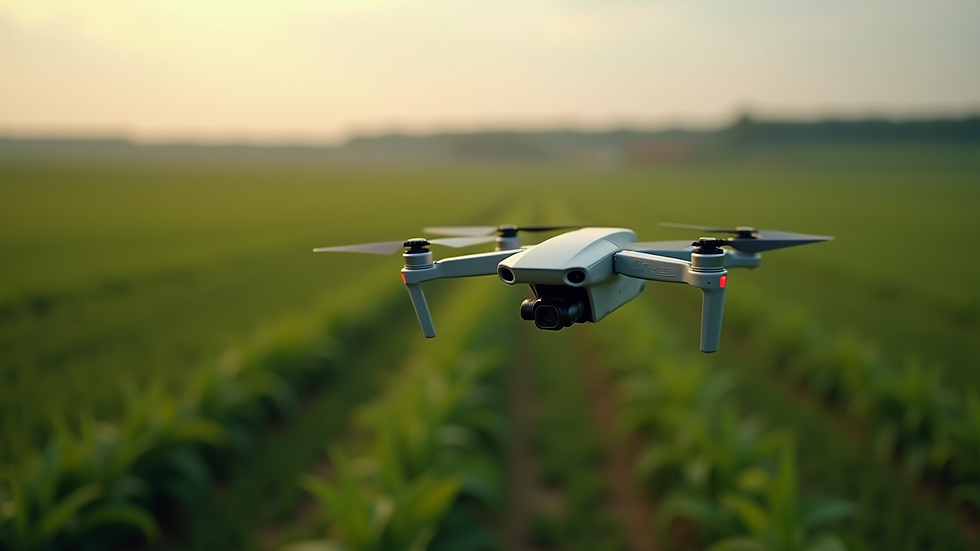
For example, soil sensors can monitor moisture levels and nutrient content continuously. Instead of watering the entire field, you water only where it’s needed. This saves water, reduces costs, and helps crops grow better. Drones equipped with AI can scan large areas quickly, spotting pest infestations or diseases early. Catching problems early means less pesticide use and healthier crops.
These tools also help with planting and harvesting. AI algorithms can predict the best planting times based on weather patterns and soil conditions. Harvesting machines guided by AI can work more efficiently, reducing waste and increasing yield. It’s like having a farming assistant who never sleeps and always knows the best move.

Practical Examples of AI in Action on Farms
Let’s get specific. How are farmers using AI-powered farming tools right now?
Precision Irrigation: Farmers use AI to control irrigation systems that adjust water delivery based on real-time soil and weather data. This not only conserves water but also prevents overwatering, which can harm crops.
Crop Health Monitoring: AI-powered cameras and drones scan crops for signs of disease or nutrient deficiency. Early detection means farmers can act quickly, saving entire fields from damage.
Automated Machinery: Tractors and harvesters equipped with AI can navigate fields autonomously, working longer hours and reducing labour costs.
Yield Prediction: AI models analyse historical data and current conditions to forecast crop yields. This helps farmers plan better and make informed decisions about storage and sales.
These examples aren’t just futuristic ideas; they’re happening now. And they’re making a real difference in farm productivity and sustainability.
The Role of Data and Connectivity in Rural Areas
One challenge often mentioned is connectivity. How can rural communities benefit from AI-powered farming tools if internet access is patchy? The answer lies in improving rural broadband and using technologies that work offline or with low bandwidth.
Many AI tools collect data locally and sync with cloud systems when a connection is available. This hybrid approach ensures farmers can still use smart tools even in remote areas. Plus, governments and private companies are investing heavily in rural connectivity, recognising its importance for modern agriculture.
Data is the lifeblood of AI. The more accurate and comprehensive the data, the better the AI’s recommendations. That’s why farmers are encouraged to adopt digital record-keeping and sensor networks. It might seem like extra work at first, but the payoff is huge.

How to Start Integrating AI-Powered Tools on Your Farm
Thinking about dipping your toes into AI-powered farming tools? Here’s a simple roadmap to get started:
Assess Your Needs: Identify the biggest challenges on your farm. Is it water management, pest control, or yield prediction? Knowing this helps you choose the right tools.
Start Small: You don’t need to overhaul your entire operation overnight. Begin with one or two tools, like soil sensors or a drone service.
Learn and Train: Take advantage of workshops, online courses, and local farming groups focused on AI and digital farming.
Partner Up: Collaborate with tech providers, agricultural advisors, and fellow farmers. Sharing experiences speeds up learning.
Monitor and Adjust: Use the data and insights from your AI tools to make informed decisions. Keep track of what works and what doesn’t.
Remember, AI is a tool to support your expertise, not replace it. It’s about working smarter, not harder.
Looking Ahead: The Future of Farming with AI
The future of farming is bright, and AI-powered farming tools will be at the heart of it. Imagine farms where robots tend to crops, AI predicts weather with pinpoint accuracy, and every drop of water and nutrient is used efficiently. This isn’t science fiction; it’s the next step in farming evolution.
As these technologies become more affordable and user-friendly, they’ll empower rural communities to boost productivity sustainably. This means better food security, healthier soils, and a stronger rural economy.
If you want to explore more about how technology is transforming agriculture, check out this resource on ai in farming solutions. It’s packed with insights and practical advice tailored for UK farmers and innovators.
Farming has always been about adapting and innovating. With AI-powered farming tools, we’re not just adapting; we’re revolutionising. The fields of tomorrow will be smarter, greener, and more resilient. And that’s a future worth working towards.


Comments